
Reviewed · DENARAU ISLAND TOURS
Private Experience of the Authentic Lifestyle of People In Fiji
The best part of this half-day outing is the way it links several sides of everyday Fiji. You move from a produce market to a rural farming school, then into an Indian family home and on to Yavuna Village for a sevusevu welcome ceremony with kava. It is less about famous sights and more about meeting people in places where daily life is still the main attraction.
I like the personal scale and the cultural mix. You have a private vehicle for your own group, and guides such as Lina and Paulina shape the day around your questions. I also like that food is part of the story: seasonal fruit at the market, Indian dishes in a family home, and a village-prepared lunch.
The main consideration is pace. This is a five-hour introduction, not a slow rural stay, so each stop has a set place in the schedule. Some visitors may also find the village ceremony or kava unfamiliar, but your guide explains the customs as you go.
Key Points at a Glance
- Three distinct windows into Fiji: See market trade, rural farming, Indo-Fijian home life, and village customs in one outing.
- A private 4WD or minibus: Only your group participates, making it easier to ask questions and move at your own pace within the tour schedule.
- A real sevusevu welcome: Enter Yavuna Village through a traditional ceremony involving kava, rather than simply walking around for photographs.
- Food carries the story: Taste seasonal fruit, sample Indian food, and eat an authentic lunch prepared by the village.
- A useful farming stop: Visit a rural school, meet students, pass sugarcane and vegetable fields, and possibly see oxen ploughing.
- Good value for a focused half-day: At $97.84 per person, the cost covers about five hours, transport, guiding, tastings, cultural visits, and lunch.
Why This Tour Goes Beyond Denarau
Denarau is convenient, polished, and built for resort time. That is precisely why this outing can be useful. It takes you away from the hotel strip and shows you parts of Fiji that are easy to miss if your visit stays near the marina and beaches.
You are not simply driven past rural scenery while a guide names it. The day is built around contact: people at the market, students at the school, an Indian family sharing food and customs, and villagers in Yavuna welcoming you into their community.
That personal contact is the strongest reason to book. Guides Lina and Paulina are praised for being warm, genuine, and able to answer questions. Lina is also noted for her storytelling, which matters here because the meaning of each stop depends on explanation. Without context, a field, a food sample, or a ceremony can seem like a quick photo stop. With a good guide, each one becomes part of a larger picture of Fiji.
The tour also shows that Fiji is not one single culture. Fijian village traditions and Indo-Fijian family life appear side by side. That combination gives the day more substance than a standard cultural performance designed only for an audience.
A few more Denarau Island half days worth a look
- Cultural Night Tour
★ 4.5 · 470 reviews - Fiji: Malamala Beach Club Private Island Day Pass & Transfer
★ 4.7 · 413 reviews - Nadi: Garden Village Hot Spring & Temple Highlights Tour
★ 4.6 · 339 reviews
Starting at the Fruit and Vegetable Market
Pickup begins at about 9:00 a.m., with transport offered from your hotel in a luxury 4WD or minibus. The first stop is a local fruit and vegetable market, where your guide introduces the produce used later in the day.
This is a smart opening. You get a quick lesson in local food before seeing it prepared and served. Seasonal fruit is available for tasting, and the guide can point out foods that may be unfamiliar to you. The market also helps you understand what local households buy and how food connects the different stops that follow.
Do not expect a long shopping session or a market built mainly for tourists. The value here is the introduction. You see what is in season and learn which ingredients may appear at the Indian home or village meal.
The stop is especially helpful if you like food but do not know much about Fijian ingredients. Pay attention to what your guide identifies, then look for those flavors later in the day. This is one of the small details that makes the itinerary feel connected rather than like a string of unrelated visits.
Meeting Students at the Rural Farming School
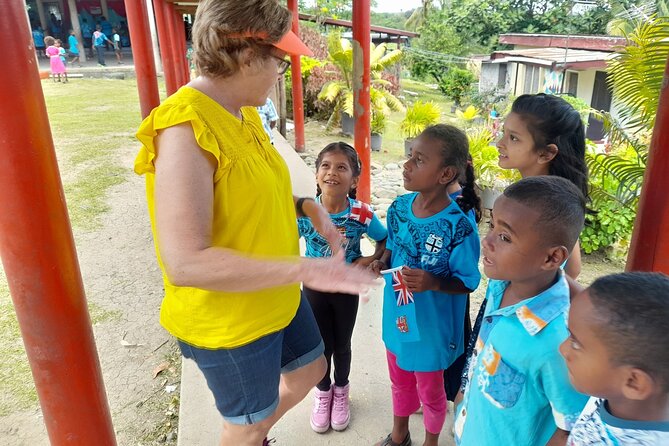
The next stop takes you to a rural farming school. You tour the school and meet students, then continue through nearby sugarcane and vegetable-growing areas.
This part gives the experience an educational purpose. You see how school, farming, and community life sit close together. If you are interested in agriculture, this may become the most useful stop, especially since the guide can adjust the conversation to your interests. One university student with an agricultural engineering background found the farming stories particularly valuable.
You might see oxen ploughing the fields, a method described as continuing for more than a hundred years. That sight is not guaranteed, so treat it as a possibility rather than a promised feature. Even without the oxen, the fields and school offer a look at rural work that a resort-based holiday will not provide.
Meeting students can be a moving part of the day, but it also calls for courtesy. You are entering a school, not a staged attraction. Listen to the guide and follow the local lead about photographs and interaction.
The drawback is that the school visit is likely to feel brief within a five-hour schedule. If you want a long agricultural study or a full day on a farm, this tour will not provide that. If you want a clear, human introduction to rural Fiji, it fits well.
Sharing Food in an Indian Family Home
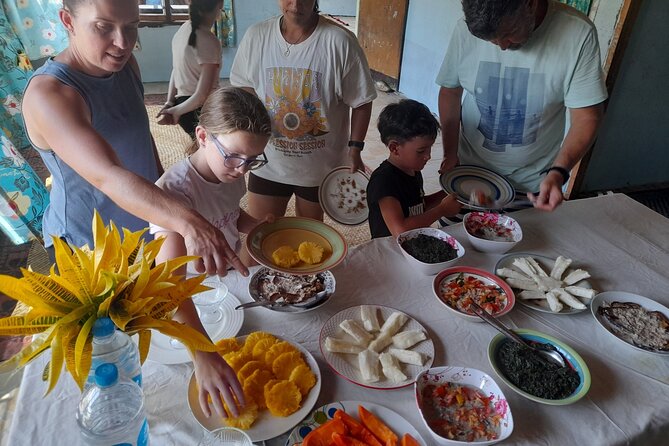
The stop at an Indian friend’s house is one of the most personal parts of the outing. You sample Indian food and hear about the family’s culture and history in Fiji.
This visit makes the country’s cultural mix easier to understand. Food provides a natural way into the conversation, and the home setting feels different from a restaurant or hotel demonstration. You can ask questions, taste dishes, and connect what you saw at the market with how food is prepared and shared at home.
The visit is also a reminder that Fijian identity includes more than village customs and Pacific traditions. Indo-Fijian culture has its own family stories, foods, and daily patterns. Seeing both traditions in one morning helps you avoid reducing Fiji to a single postcard image.
The exact food served can vary, since the information only promises sampling rather than a fixed menu. Come ready to try what is offered, and tell the guide about any food concerns before the tour if needed. Do not expect a formal cooking class. This is a cultural exchange with tasting, conversation, and hospitality at its center.
This stop received especially strong praise for the warmth of the hosts and the quality of the food. I would give it time and attention rather than treating it as a quick snack before the village visit.
Same island, a completely different kind of day:
- Discover Nadi Tour
★ 4.5 · 311 reviews - Robinson Crusoe Sunset Cruise Including Dinner, Cultural Show & Transfers
★ 4.5 · 171 reviews - Fiji: South Sea Sailing Experience with Lunch & Drinks
★ 4.9 · 155 reviews - Ultimate Encounter Snorkel with Sharks in Fiji
★ 4.5 · 151 reviews
Entering Yavuna Village Through Sevusevu
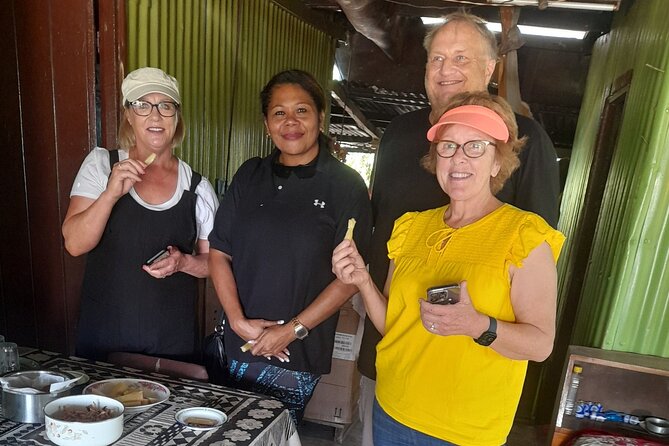
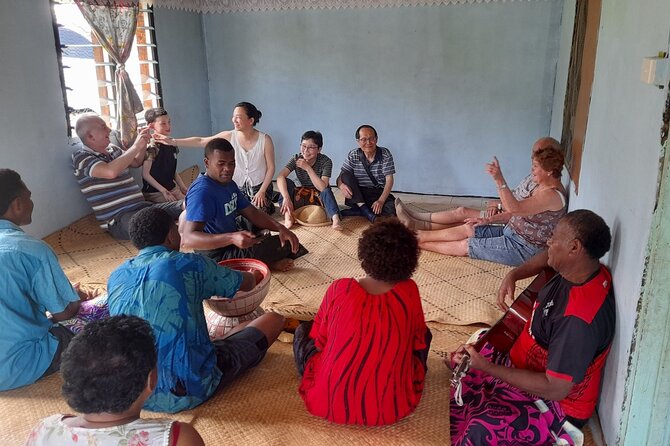
The visit to Yavuna Village is the heart of the tour. You are greeted by a village guide and welcomed through a sevusevu ceremony, a customary Fijian way to receive visitors. Kava is used as part of the welcome.
This is not the same as walking into a village alone with a camera. The ceremony gives your arrival a proper social setting and shows that the visit is being made with local consent and guidance. Your village guide then leads you around, explaining the community and its way of life.
If you have never taken part in a sevusevu, you may feel unsure about what to do. That is normal. Listen closely to your guide and the village guide, follow their instructions, and allow the hosts to set the tone. You do not need to perform expertise. Respect and attention are enough.
Kava can be unfamiliar in taste and custom. The important point is not to treat it as a novelty alone. It is part of the welcome, and the ceremony gives the visit meaning. If you have concerns about participating, ask the guide before the ceremony so you understand your options.
The village tour is the place where the experience feels most different from a resort excursion. It is also where you should keep expectations realistic. You are receiving a guided introduction to village life, not a complete picture of every household or a staged cultural show with a long performance schedule.
Lunch Prepared by the Village
Before leaving Yavuna, you are invited to eat an authentic lunch prepared by the village. That meal brings the day’s themes together: local ingredients, community hospitality, and food as a way to share culture.
A village meal is not simply an included lunch. It gives you another chance to see how food is offered and enjoyed in a community setting. You may recognize ingredients from the market and the farming areas, which helps the itinerary make sense from beginning to end.
The menu is not specified, so you should not book this expecting a particular dish. The appeal is the setting and the connection to the village rather than a guaranteed restaurant-style selection.
Take your time during lunch. This is likely to be one of the moments when conversation with your hosts feels most natural. The day has moved quickly from stop to stop, and the meal offers a chance to slow down before the return journey.
What the Private Format Adds

The tour is private, meaning only your group participates. That makes a noticeable difference on a people-focused outing. You can ask more questions, spend a little longer on a topic that interests you, and avoid being one voice in a large crowd.
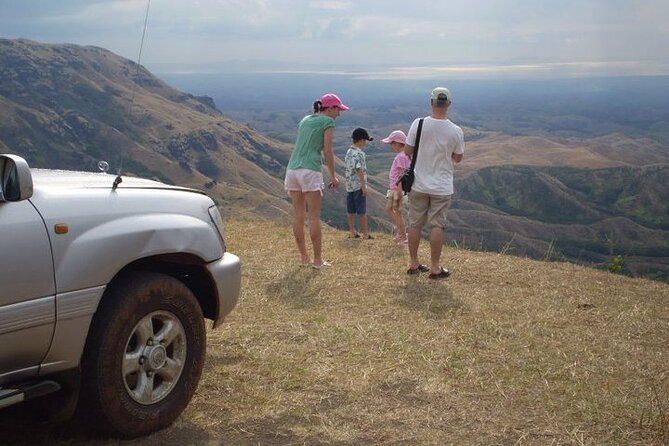
Transport is by luxury 4WD or minibus. The vehicle choice gives the tour a practical rural feel and allows the itinerary to connect the market, school, farming areas, Indian home, and village. Pickup is offered, and the start time is about 9:00 a.m.
The private format does not mean you can rewrite the whole day. There are several planned stops, and the outing lasts about five hours. Still, having your own group makes the cultural conversations more relaxed and gives the guide room to respond to your interests.
The guides are a major part of the value. Lina is described as an excellent storyteller, while Paulina is praised for her professional and personal approach. The tour has received 30 five-star ratings and a 100 percent recommendation rate, which supports the idea that the guide relationship is central to the experience. You should still remember that a good cultural visit depends on your own willingness to listen and participate respectfully.
Is $97.84 Good Value?
At $97.84 per person, this is not the cheapest way to fill a morning in Fiji. It is also more than a simple transfer or sightseeing drive. The price pays for about five hours of private transport, a guide, several cultural visits, food sampling, the village welcome, and lunch.
I see the strongest value in the number of different settings included. A market visit alone would be limited. A village visit alone might not explain the wider mix of Fijian life. Here, the school, fields, Indian household, and Yavuna Village give you several connected points of view.
The private format also matters. If you are traveling as a couple, family, or small group, you are paying for a more personal day rather than joining a large coach. Families may especially value the school visit and the chance to ask questions without holding up a large party.
The price is less compelling if you only want scenery, beaches, or a relaxed morning with no set schedule. This tour asks you to talk, taste, listen, and take part in customs. Book it for cultural contact, not for luxury sightseeing alone.
Free cancellation is available if you cancel at least 24 hours before the 9:00 a.m. start time. Changes or cancellations made later are not accepted for a refund.
Who Will Enjoy This Best?
I would recommend this outing to you if you want to understand how Fijian and Indo-Fijian life fit together. It is a good choice for curious families, couples, private groups, and anyone who prefers meeting people to checking off monuments.
It also suits you if food is part of how you travel. The market, Indian tasting, and village lunch create a clear food trail through the day.
Students and visitors interested in agriculture should pay special attention to the farming school and fields. The guide can share stories about farming methods, including the possibility of seeing oxen used in the fields.
You may want to choose another outing if you need a fully accessible, highly structured attraction with every detail listed in advance. The supplied information says most people can participate, but it gives no detailed accessibility specifications. It also does not provide a fixed menu or guarantee that oxen will be working when you pass the fields.
Should You Book This Fiji Cultural Experience?
Book it if you want the day’s main reward to be conversation, food, and a respectful look at ordinary life beyond Denarau. The private transport, personal guiding, Indian home visit, sevusevu ceremony, and village lunch give the outing a clear purpose.
I would skip it if you want a beach day, a long visit at one site, or a polished show with predictable timing. For everyone else, this is a strong half-day choice. The best way to enjoy it is to arrive curious, ask questions, follow local customs, and give each host your full attention.
FAQ
How long does the experience last?
The tour lasts approximately five hours.
What time does the tour start?
The stated start time is 9:00 a.m.
Is pickup available from my hotel?
Pickup is offered, and the tour description states that you are picked up from your hotel.
Is this a private tour?
Yes. Only your group participates in the activity.
What kind of transport is used?
Transport is provided in a luxury 4WD or minibus.
What food is included?
You can taste seasonal local fruit at the market, sample Indian food at a private home, and eat an authentic lunch prepared by the village in Yavuna.
What happens at Yavuna Village?
A village guide welcomes you through a sevusevu ceremony involving kava. You then take a guided village tour and are invited to eat lunch prepared by the village.
Just added around Denarau Island
- Yasawa Hop-On Hop-Off Pass★ 3.5 · 12 reviews
- garden of the sleeping giant and mudpool tour combo★ 4.5 · 7 reviews
- CFC APPROVED Roundtrip Transfer – Nadi Airport to Radisson Blu Resort, Denarau★ 5.0 · 10 reviews
- Scenic Sigatoka Valley Drive, Fijian Pottery Village, Local School & Sand Dunes Ex Nadi Hotels★ 4.5 · 3 reviews
- Valley of a Thousand Hills★ 4.0 · 5 reviews
- Private Minibus Transfer Hotel to Nadi Airport★ 3.5 · 6 reviews
- CFC Approved Private Departure Transfer- Wyndham Resort, Denarau to Nadi Airport★ 5.0 · 3 reviews
- CFC APPROVED Private Departure Transfer – Hilton Resort, Denarau to Nadi Airport★ 5.0 · 9 reviews
Denarau Island Tours, compared.

Fiji: Malamala Beach Club Private Island Day Pass & Transfer
Read our review →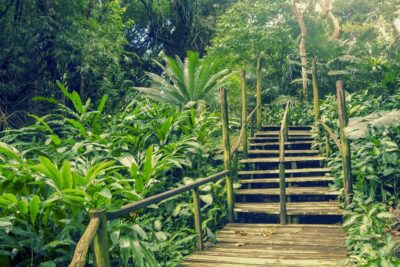
Nadi: Garden Village Hot Spring & Temple Highlights Tour
Read our review →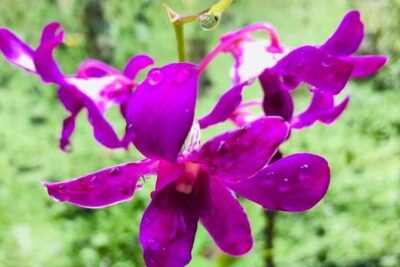
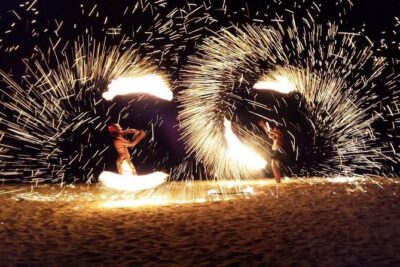
Robinson Crusoe Sunset Cruise Including Dinner, Cultural Show & Transfers
Read our review →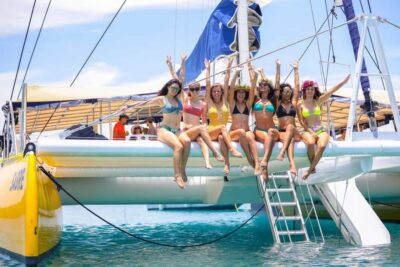
Fiji: South Sea Sailing Experience with Lunch & Drinks
Read our review →
Ultimate Encounter Snorkel with Sharks in Fiji
Read our review →
Browse the lists this tour appears in